Weather the Wild: Caring for Outdoor Furniture That Lasts


Today we dive into adapting outdoor furniture care to extreme weather conditions, turning daunting forecasts into confident routines. You’ll learn how heat, hail, salt, and snow challenge different materials, and how simple habits preserve comfort and beauty. Expect practical checklists, honest anecdotes, and invitations to share your wins, questions, and experiments with our community.

Wood and Bamboo Under Pressure

Teak thrives on periodic oiling only when truly needed; excess invites mold. Seal end grain, lift feet off wet stone with discreet spacers, and favor breathable covers over plastic tarps. Acacia moves more with humidity, so loosen hardware before heatwaves. A neighbor’s bench stopped cracking after we relieved tight dowels and improved airflow.

Steel, Aluminum, and Wrought Iron

Powder-coated steel hides corrosion until chips spread; inspect edges, touch up nicks, and rinse salt monthly. Galvanized pieces tolerate winter but trap water if drain holes clog, so clear them before freezes. Aluminum resists rust yet pits near oceans; a light automotive wax adds defense. Mixed-metal fasteners? Separate with nylon washers to slow galvanic reactions.

Resin, Wicker, and Textiles

Resins chalk under brutal UV without stabilizers; check labels and avoid harsh solvents. High-quality synthetic wicker with UV inhibitors outlasts budget versions by seasons. Choose solution-dyed acrylic fabrics that shrug off fading, and pair with reticulated foam so storms drain quickly. Store cushions upright, allow air gaps, and brush away spores before they root.

Routines for Heatwaves, Downpours, and Blizzards

Reliable routines beat heroic weekend marathons. Build ten-minute habits: a quick rinse after salty wind, a fast wipe beneath slats, a weekly hinge check, and monthly fabric cleaning before stains set. Tie tasks to forecasts and calendar reminders, so storms trigger preparation, and sunny breaks become maintenance opportunities rather than recovery battles.

Covers, Shade, and Shelter Without Compromising Style

Good protection disappears visually while working hard. Seek breathable covers with vent flaps, UV resistance, and hem cinches that won’t abrade finishes. Combine shade sails, adjustable louvers, and tempered-glass wind screens to redirect gusts. Use unobtrusive anchors and color-matched hardware, so resilience blends gracefully with your design rather than shouting for attention.

Smart Chemistry and Safe Cleaning

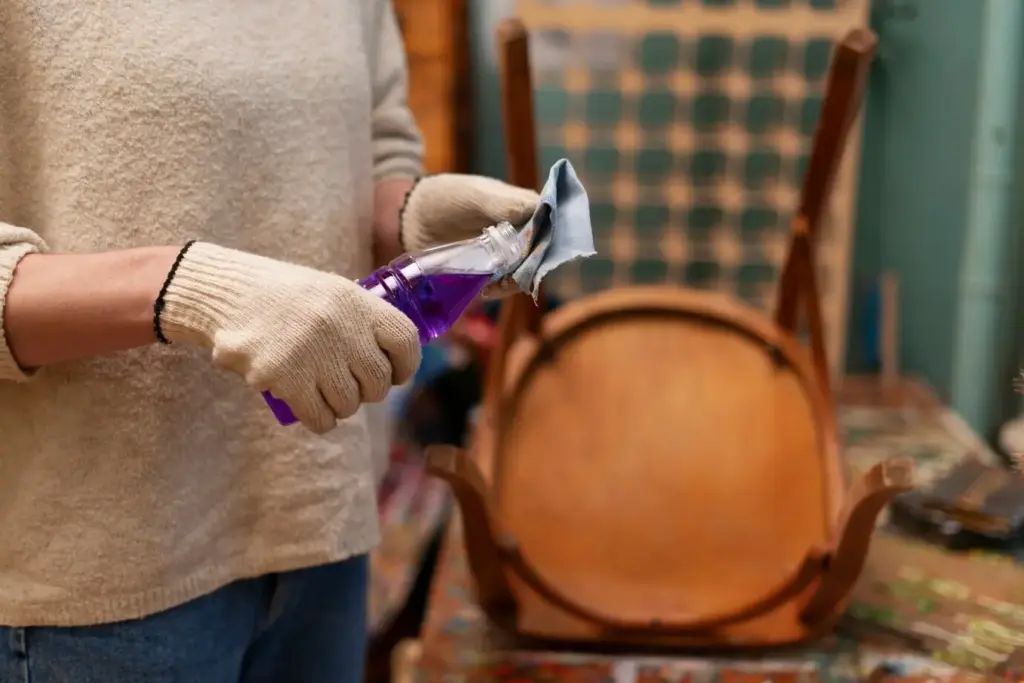
Chemistry can protect or harm, depending on choices and timing. Favor pH-neutral soaps and nonionic surfactants for routine cleaning, keeping bleach reserved for emergencies. Test every product on hidden areas. Wear gloves, ventilate thoroughly, and capture runoff where possible. Read safety data sheets, and choose biodegradable options that still deliver durability under punishing conditions.

Finishes and Sealers for Wood

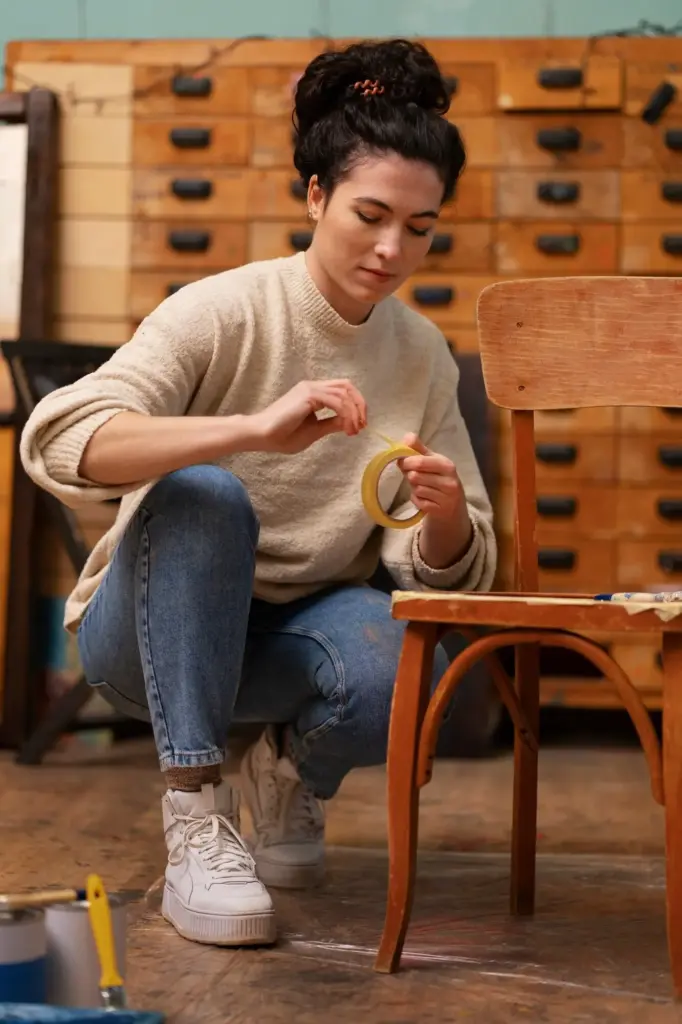
Select penetrating oils for dense woods and film-forming marine varnish only when you accept periodic sanding. Oxalic acid brightens greyed surfaces without gouging fibers, yet always neutralize afterward. Tape off joints to keep squeeze-out minimal. In deserts, favor UV blockers; in rain forests, prioritize fungicides. Keep finish logs to track intervals and results.

Fabric and Rope Care

Use a gentle upholstery cleaner on solution-dyed acrylic, scrubbing with a soft brush in circular passes. Rinse thoroughly until water runs clear. For performance rope, avoid chlorine entirely; choose oxygen-based brighteners sparingly. Dry in shade with airflow, never on scorching rails. Reapply fabric guard when droplets stop beading, and store tags for exact reorders.

Metal Protection

Clear waxes add a sacrificial layer that buffs off scuffs before paint suffers. For stubborn rust, convert with tannic acid primers and touch up promptly. Avoid steel wool on stainless, which embeds iron and sparks tea staining. After seaside storms, a freshwater rinse within twenty-four hours prevents salt crystallization that accelerates pitting and paint creep.

Field Repairs

Carry stainless screws, marine epoxy putty, and webbing straps for roadside fixes after surprise squalls. Re-seat glides to stop wobble, clamp split arms, and tape sharp chips until proper sanding happens. Replace missing end caps quickly; open tubing fills with water. A compact toolkit turns setbacks into manageable pauses rather than lost seasons.

Deep Restoration

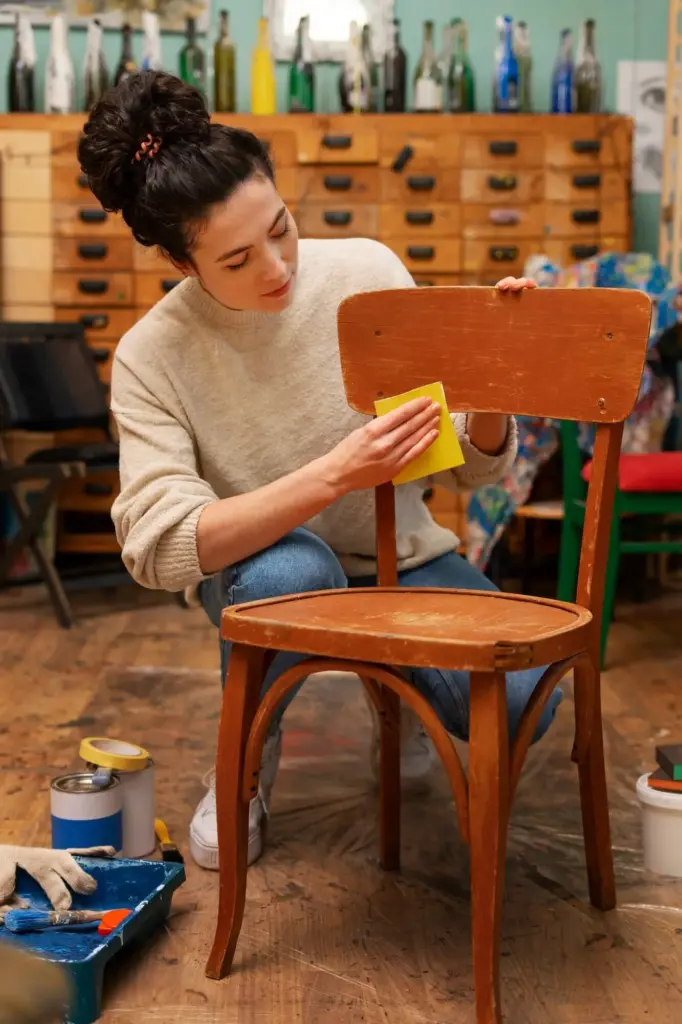
When time allows, strip failing finishes with heat and scrapers rather than brutal sanding that thins edges. Use epoxy consolidants to firm punky wood before filling. Replace corroded hardware with marine-grade stainless. Re-stitch seams using UV-stable thread. Finishing with patience restores dignity and strength, often revealing character you forgot existed beneath weathered scars.

Plan Ahead and Learn Together

Preparation becomes culture when shared. Build a simple plan, label storage, and post checklists near doors. Assemble a kit with gloves, rust inhibitor, microfiber cloths, spare glides, cover straps, and silica gel. Subscribe for seasonal reminders, swap tips with neighbors, and tell us what worked, so future storms find you ready.
Vikepipenexu
Privacy Overview

This website uses cookies so that we can provide you with the best user experience possible. Cookie information is stored in your browser and performs functions such as recognising you when you return to our website and helping our team to understand which sections of the website you find most interesting and useful.