Care That Adapts: Climate‑Smart Furniture Maintenance
Today we explore Climate‑Smart Furniture Maintenance, focusing on practical, evidence‑based habits that keep pieces beautiful while reducing environmental impact. Expect guidance shaped by real households, climate data, and craft traditions, so your wood, leather, and textiles thrive through humidity swings, heat waves, and bright seasons without wasteful overcorrection.

How Climate Quietly Shapes Furniture Lifespans
Invisible shifts in humidity, temperature, and light drive the most common failures: cracks along the grain, loose joints, lifted veneers, and faded fabrics. Understanding these forces turns guesswork into care that prevents damage before it happens, protecting appearance, structure, and value while avoiding energy‑hungry gadgets and unnecessary replacements.

Wood and Relative Humidity: Finding the Stable Middle
Solid wood swells when air is damp and shrinks when it is dry, stressing joints and finishes with every seasonal swing. Aim for roughly 40–55% relative humidity year‑round, using gentle ventilation, houseplants, and localized humidification instead of extreme whole‑home systems to create stability without wasteful energy consumption.

Leather’s Relationship with Moisture and Heat

Leather loves moderation: too dry and it cracks; too damp and it molds or stretches. Maintain balanced indoor air, keep pieces away from radiators and intense sun, and condition sparingly with pH‑appropriate, low‑VOC balms so flexibility returns without leaving greasy residues that attract dust and dull the grain.

Sunlight, Heat, and Airflow: Calibrating the Environment

Sheers, cellular shades, or UV‑filter films soften harsh rays while maintaining daylight and visibility. Pair them with plant placement that naturally interrupts direct beams. This retains a cheerful room, prevents uneven fading on cushions and tabletops, and reduces reliance on heavy drapes that invite dampness and trapped heat.
Radiators, floor vents, and sunny window corners create microclimates that desiccate wood and leather. Shift furniture a few inches from heat sources, use deflectors on vents, and rotate orientation monthly. These small moves spread exposure evenly, avoiding the sudden stresses that lead to hairline cracks and lifted joints.
Stagnant air encourages moisture pockets and dust buildup. A quiet ceiling fan on low, strategic cross‑ventilation, and periodic window airing keep surfaces dry and temperature differences mild. This simple habit discourages mildew, stabilizes finishes, and reduces the need for energy‑intensive dehumidifiers except during truly extreme conditions.

Cleaning and Finishes that Respect Home and Planet

Choosing Low‑Impact Cleaners That Actually Work

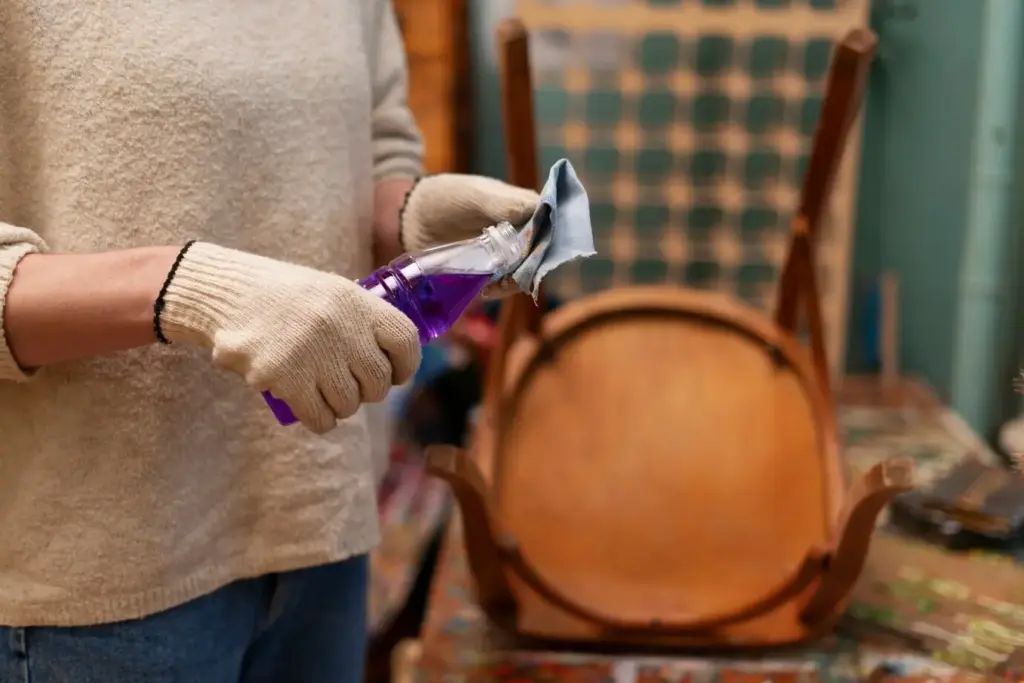
Skip harsh solvents disguised as miracle solutions. A drop of fragrance‑free soap in warm water, microfiber cloths, and targeted enzyme cleaners handle most messes without etching finishes or leaving residues. Always test in hidden spots, then scale up only as needed, preserving coatings and preventing unnecessary chemical exposure indoors.

Renewable Finishes: Oils, Waxes, and Water‑Based Coats

Plant‑based oils and hardwaxes penetrate and can be refreshed locally, while modern water‑borne polys cure durable with fewer fumes. Choose based on use: dining tables favor tough, repairable films; cabinets welcome oils for warmth. Documentation helps future touch‑ups, minimizing full strip‑downs that waste materials and release fumes.

Right Tool, Right Touch: Cloths, Brushes, and Pads

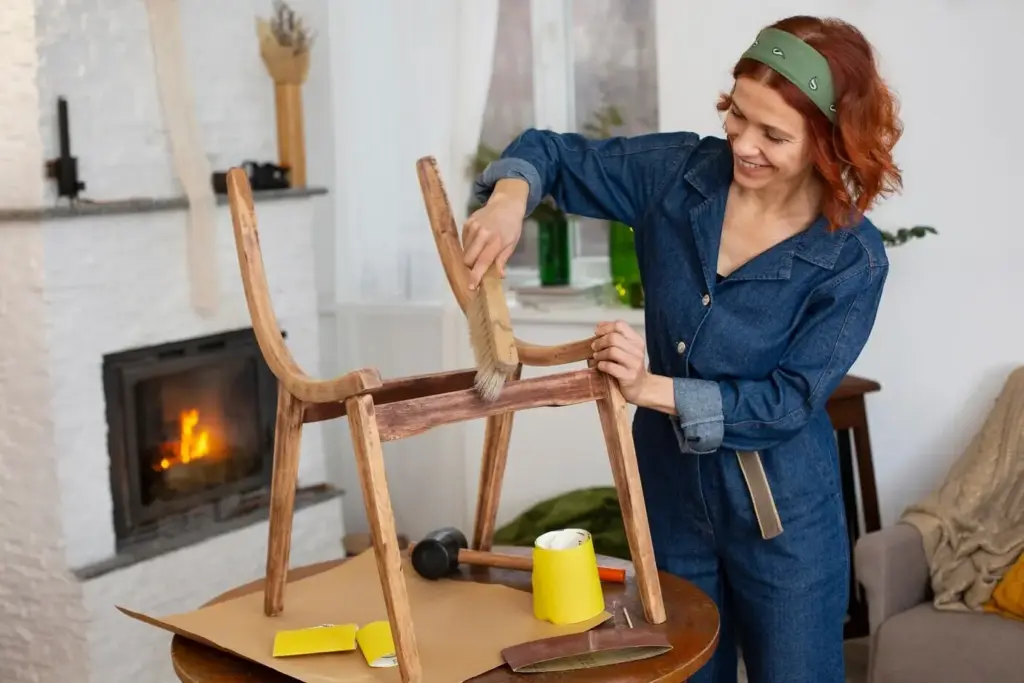
Microfiber traps dust without scratching; soft natural‑bristle brushes reach carvings; felt pads protect feet and floors. Pair tools with light pressure and linear motions following grain. Gentle, consistent technique avoids micro‑scratches that invite grime and prevents over‑wetting seams where swelling, rusted fasteners, or mold might silently develop.

Placement, Protection, and Everyday Habits
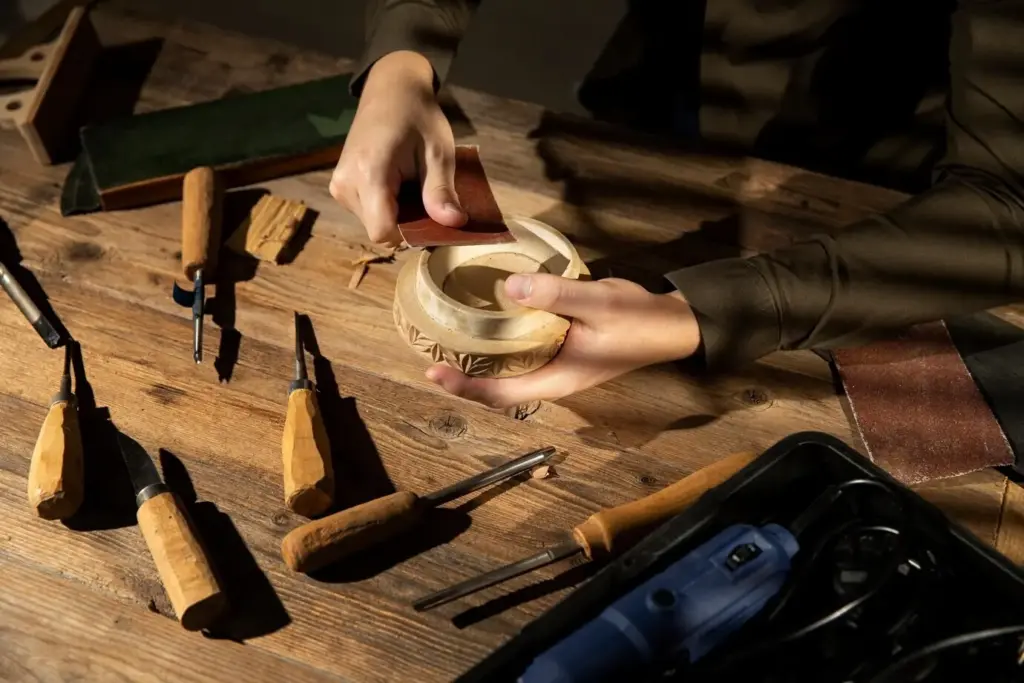
Daily behavior quietly determines whether pieces age with dignity or struggle against preventable stress. Smart placement, coasters, breathable covers, and thoughtful movement routines reduce scuffs, ring stains, and structural strain, letting your furniture serve longer without heavy chemical interventions or energy‑intensive environmental corrections throughout the changing seasons.

Seasonal Routines and Useful Metrics

Clear, repeatable checkups tie maintenance to real conditions instead of guesswork. A small kit—a hygrometer, UV index reminders, and a soft brush—anchors a rhythm of observations. With brief seasonal tasks, you stabilize materials, catch early warnings, and extend lifespans without excessive products or constant climate‑control equipment running unnecessarily.

Repair, Refurbish, and Choose Circular Pathways

When wear appears, climate‑smart care favors reversible fixes, modular parts, and repairable finishes. These choices save materials and stories embedded in every dent. Partner with local craftspeople, buy parts before models retire, and celebrate patina so longevity becomes a shared achievement rather than a costly, wasteful replacement cycle.

Early Interventions That Prevent Bigger Failures

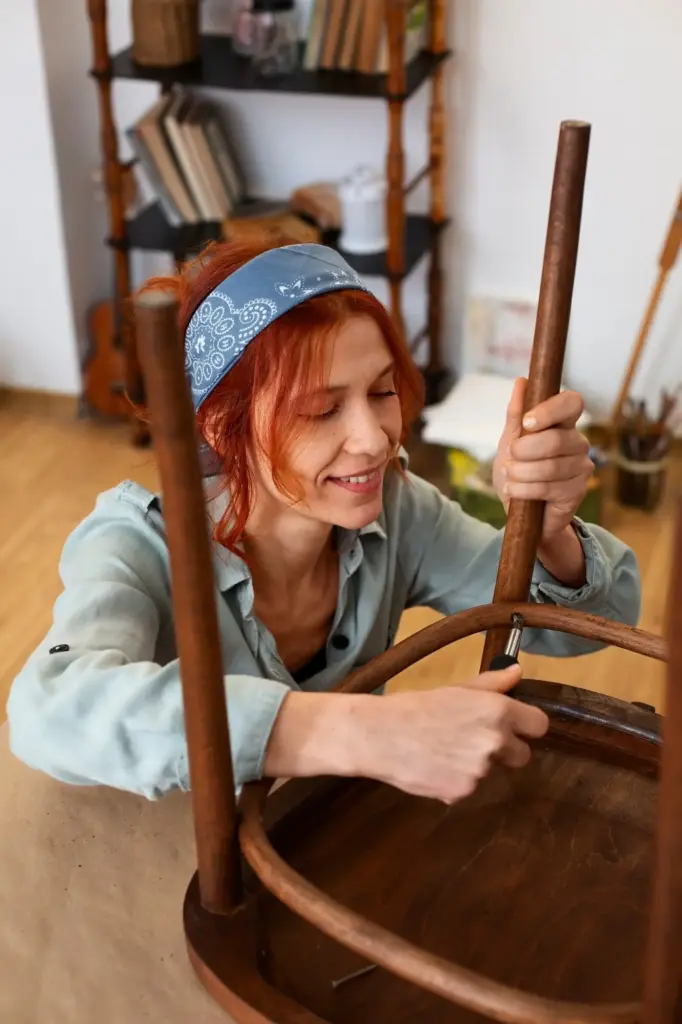
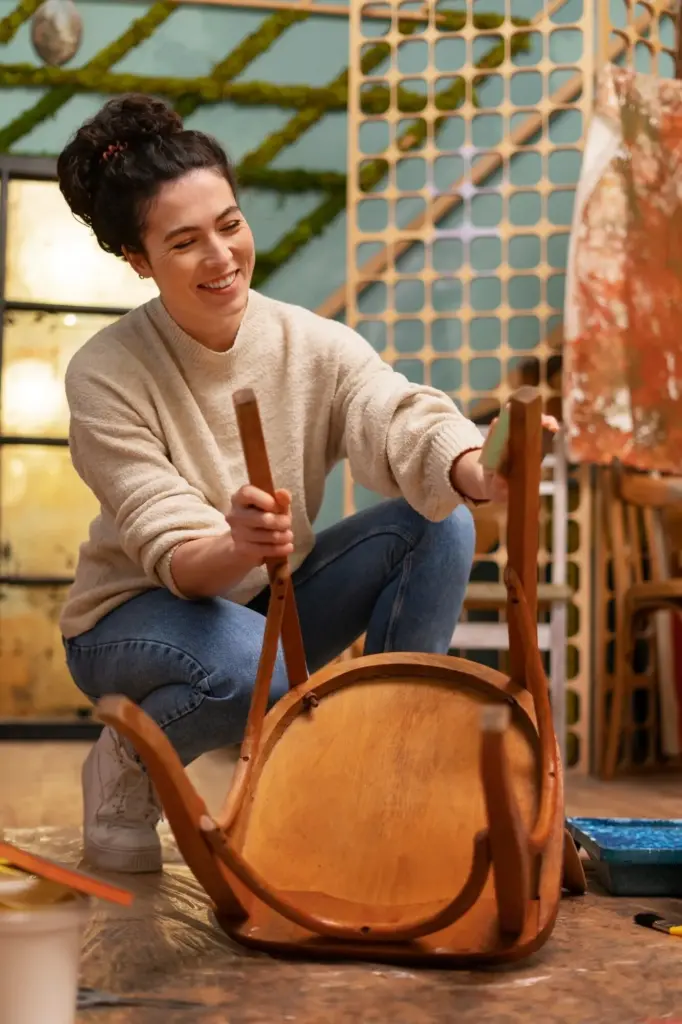
A wobbly chair signals glue creep or loosened hardware; address it before joints ovalize. Re‑glue with appropriate adhesives, replace fatigued screws, and clamp gently. Catching problems early means less sanding, fewer new parts, and preserved originality, all while avoiding the energy burden tied to manufacturing replacements prematurely.

Refinishing with Minimal Material Loss

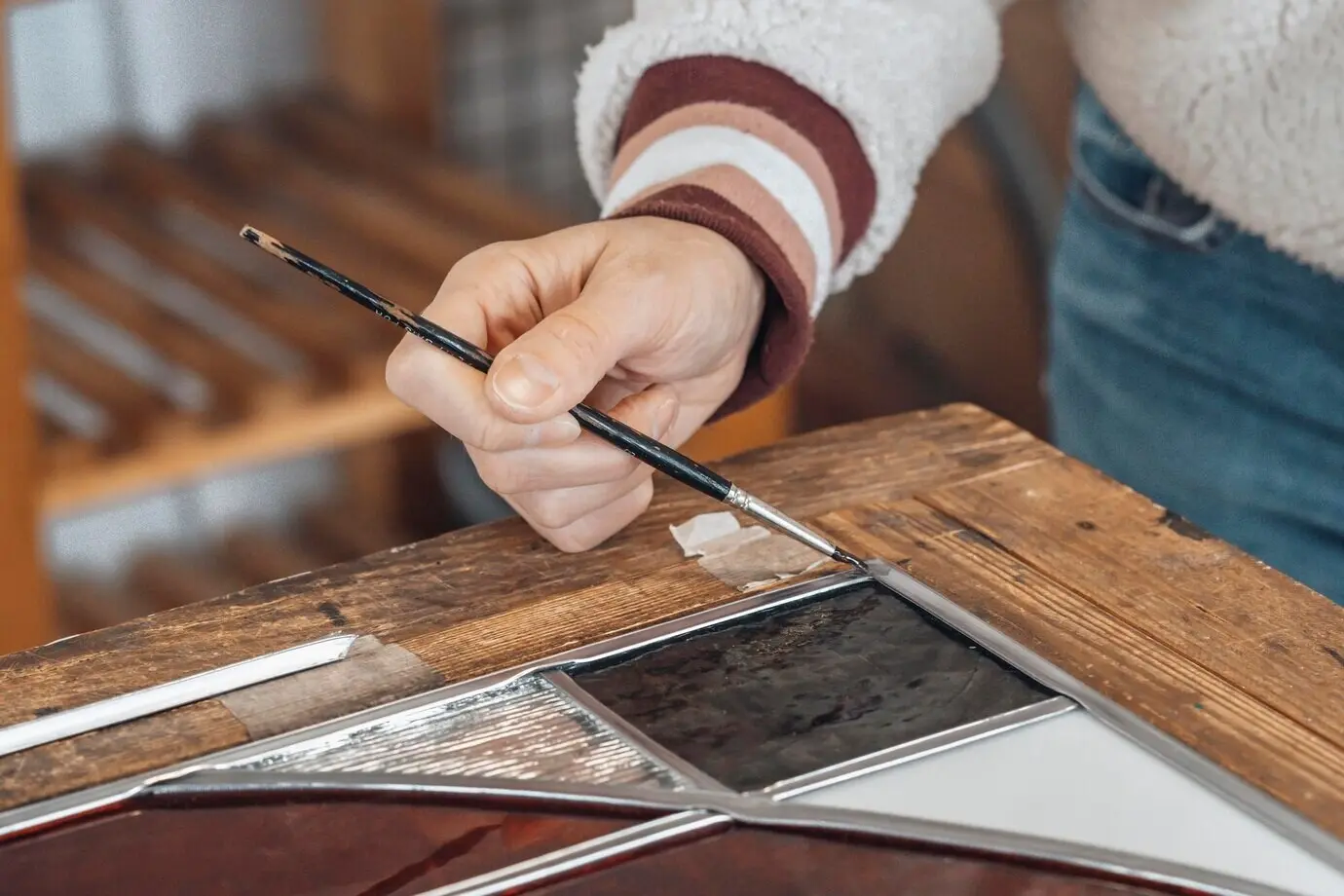
Spot‑repair scratches, blend color with touch‑up dyes, and renew topcoats rather than stripping entire surfaces. When full refinishing is necessary, choose low‑toxicity strippers and meticulous dust control. This approach preserves veneer thickness, reduces waste, and keeps restoration cycles longer, aligned with responsible stewardship of resources and craftsmanship legacy.

Community, Craft, and Sharing Knowledge

Join local repair cafés, furniture maker forums, or upholstery classes to learn techniques and borrow specialized tools. Sharing progress photos and questions invites guidance and accountability. Community turns maintenance into a collaborative, joyful practice, extending lifespans while strengthening neighborhood ties and nurturing pride in well‑cared‑for pieces.
Vikepipenexu
Privacy Overview

This website uses cookies so that we can provide you with the best user experience possible. Cookie information is stored in your browser and performs functions such as recognising you when you return to our website and helping our team to understand which sections of the website you find most interesting and useful.