Breathe Easier, Cherish Every Surface
Today we explore low-emission cleaning products for sustainable furniture care, showing how safer formulations protect indoor air, preserve finishes, and cut waste. Expect practical routines, ingredient tips, and thoughtful repairs that keep beloved pieces beautiful longer while keeping rooms comfortable for kids, pets, and sensitive lungs. Share your own low-odor favorites and questions along the way.
What Clean Really Means Indoors
Clean is more than shine; it is the feeling of open lungs and quiet rooms after tidying. By focusing on formulations with reduced volatile organic compounds, water-based carriers, and reliable certifications, you support both your furniture and your breathing. We will unpack labels, explain emissions, and guide choices that minimize odors while maintaining performance across wood, leather, textiles, and metal surfaces throughout your home.
Caring by Material, Not by Hype
Different materials respond best to different care approaches, and the gentlest path is usually the most enduring. Solid wood needs balanced moisture and neutral pH, leather craves conditioning without heavy solvents, and textiles prefer low-residue cleaners that will not trap odors. By matching products and techniques to each surface, you reduce emissions, avoid damage, and honor the craft behind every piece.
Everyday Rituals with Lighter Footprints
Sustainable care thrives on small, repeatable habits. When you minimize product amounts, choose low-emission formulas, and move with intention, surfaces stay cleaner longer and rooms remain comfortable. These rituals also protect finishes from fatigue, reducing the need for heavy restorations. Focus on smart dusting, calm spill responses, and seasonal deep care that prioritizes ventilation, thoughtful tools, and a gentle hand every time.

Dusting that actually helps air
Dry dust can scatter and irritate lungs, so lightly dampen a high-quality microfiber cloth with water or a diluted, low-emission solution. Pull dust toward you slowly, not across the room. Replace disposable wipes with washable cloths to cut waste and avoid scented residues. Finish by opening windows briefly, letting the space reset without overwhelming drafts or unnecessary temperature swings.
Spills: swift, simple, safe
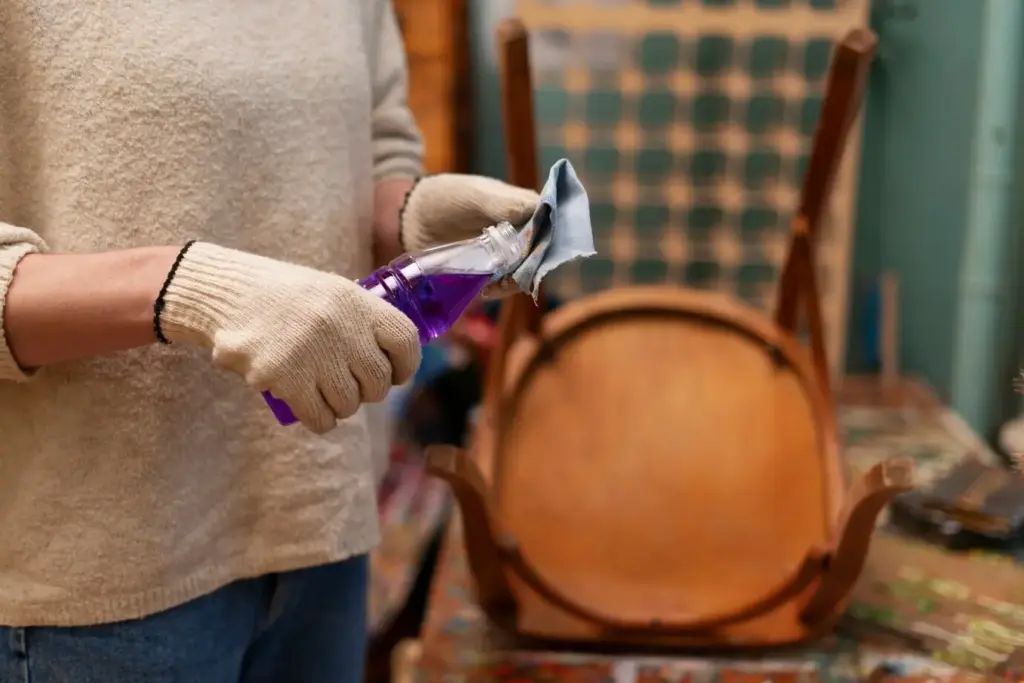
Blot, never rub, keeping pressure gentle and movements centered to avoid spreading. Follow with a pH-balanced, low-odor cleaner matched to the surface. Rinse minimally using a clean, well-wrung cloth, and dry promptly with soft airflow. Skip harsh fragrances, aerosolized propellants, and untested combinations. When in doubt, spot-test on a hidden area, documenting what worked so you can repeat success confidently.
Gentle Recipes, Big Results
Homemade options can be effective when measured, simple, and surface-aware. Always label bottles, avoid risky mixtures, and test in an inconspicuous spot first. Keep formulas fragrance-free or very lightly scented, and use only when necessary to limit emissions. The goal is clarity: fewer ingredients, predictable reactions, and comfortable rooms where furniture gleams naturally without fog, film, or overpowering after-smells.

Repair and Longevity Beat Replacement
Extending a piece’s life is the most sustainable decision. Small repairs and periodic maintenance reduce the need for new materials and minimize emissions from shipping and manufacturing. Choose low-odor fillers, water-based finishes, and careful techniques that protect patina. By treating wear as part of an evolving story, you avoid harsh shortcuts and preserve character while keeping rooms gentle on the senses.
Real Homes, Real Wins
The most convincing proof is how a room feels after the work is done. Families, renters, and makers report clearer heads, quieter air, and resilient finishes when they switch to lower-emission routines. We are collecting simple stories, practical photos, and honest questions to help others choose confidently. Share your victories, asks, and experiments so this community keeps learning together, kindly and transparently.
Nursery air stays clear
New parents simplified weekly cleaning to a microfiber routine and a gentle, fragrance-free cleaner, avoiding stinging scents entirely. With windows cracked slightly, the crib, rocker, and shelves stayed fresh without heavy residues. Their baby’s naps lengthened, and the space felt calmer, proving that tiny choices compounded into comfort. They now track products used, making future care predictable, consistent, and peaceful.

Flea-market table, quietly revived
A scratched oak find looked dull but promising. After patient dusting, a low-emission wood cleaner lifted grime, and a minimal wax-emulsion polish restored glow without perfumed haze. The family now uses coasters and breathable placemats, embracing patina while avoiding harsh shortcuts. Guests notice the warmth, not the smell, and meals last longer because the room feels settled, open, and welcoming.
All Rights Reserved.