Guardians of Grain: Keeping Wood Furniture Calm in Wild Weather
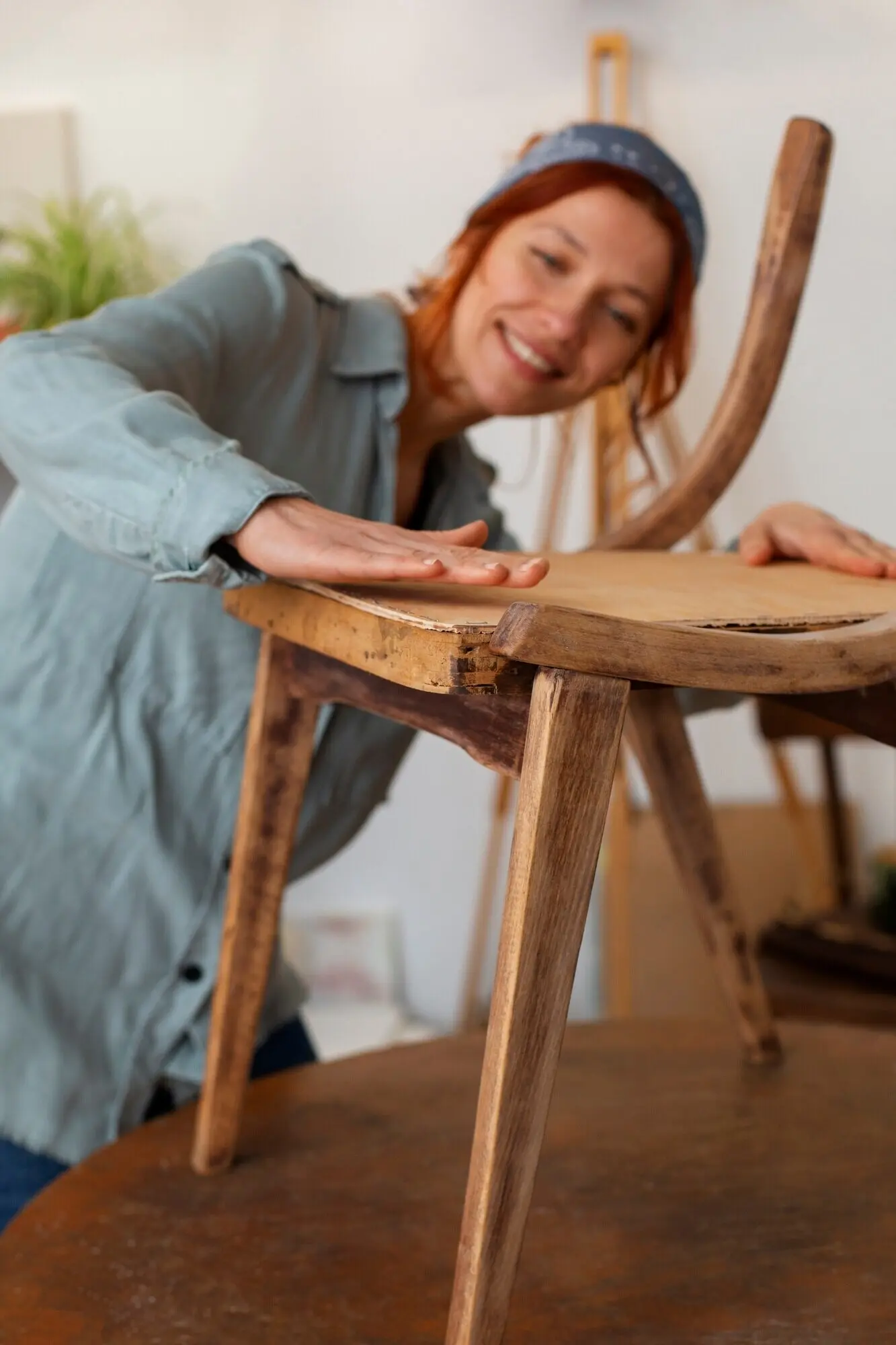
We’re exploring moisture and humidity management for wood furniture in changing climates, turning complex science into friendly, practical steps. Learn how relative humidity, temperature swings, and seasonal shifts influence grain movement, finishes, and longevity. Expect hands-on checklists, sensor tips, and stories from homes by the coast and high-altitude apartments. Join in, ask questions, and share your experience so we can protect cherished tables, chairs, and heirlooms together, without losing the warmth and character that makes real wood irresistible.

How Wood Breathes: Moisture, Cells, and Movement
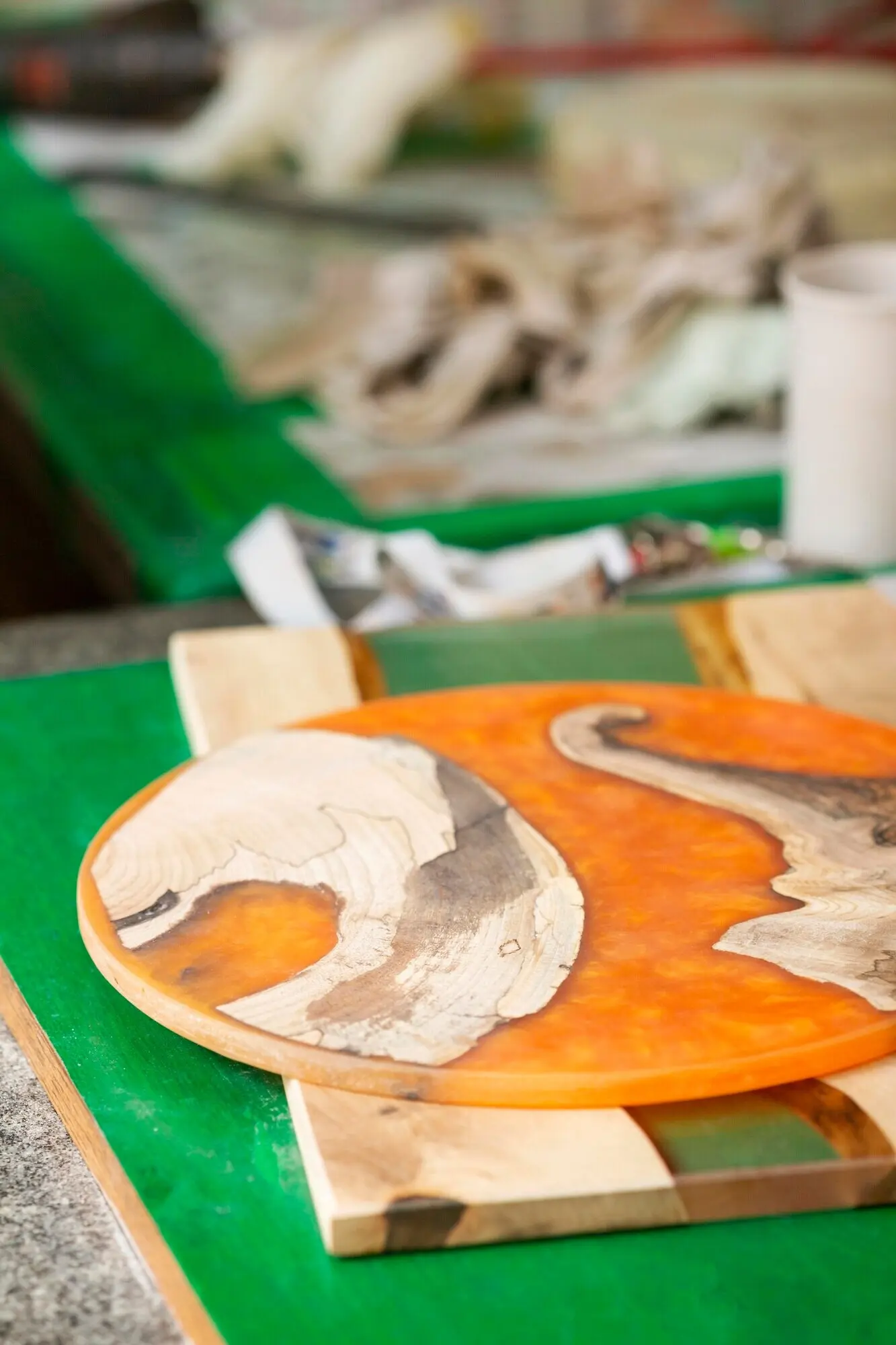
Wood is hygroscopic, constantly trading moisture with surrounding air until it reaches an equilibrium that shifts with weather and indoor conditions. Understanding this dance explains why panels swell, tabletops shrink, and joints creak. We’ll translate equilibrium moisture content, fiber saturation, and dimensional change into relatable choices that protect integrity and beauty every season, wherever you live.

Reading the Sky Indoors: Climate Patterns and Microclimates
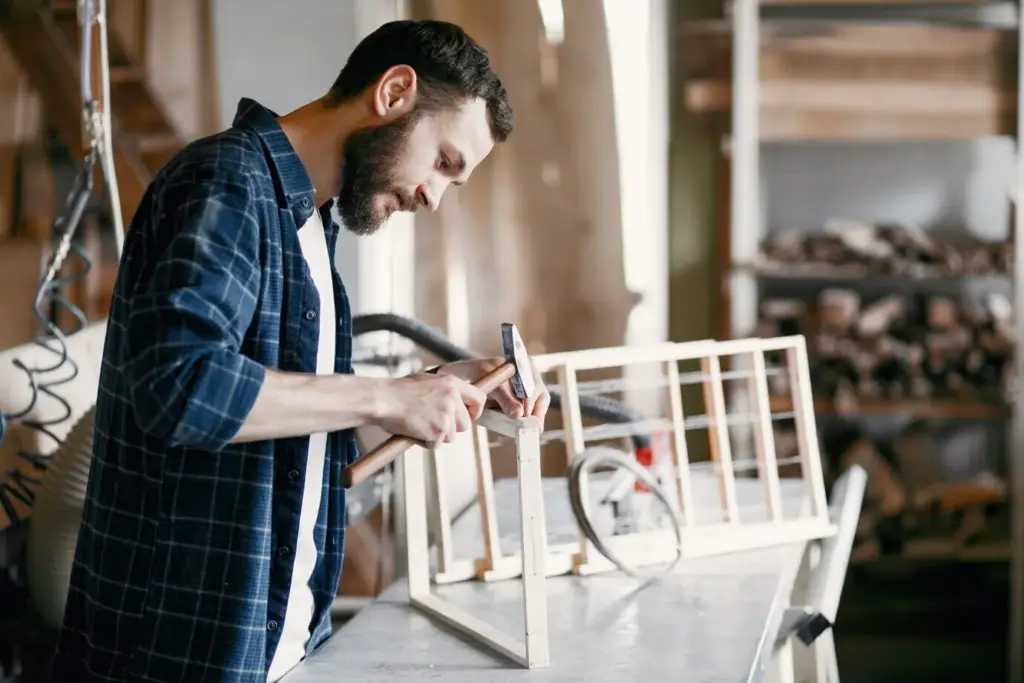
Wild outdoor swings create indoor surprises: coastal fogs, desert heaters, and radiator winters each carve distinct moisture profiles from room to room. Closets trap damp air, sunny bays desiccate, and basements pulse with nightly condensation. Mapping these microclimates helps you position furniture wisely, adjust ventilation, and plan seasonal routines that keep wood balanced.

Protective Layers and Smart Design Choices

Protection begins before the first coat dries and continues with how pieces are built. Finishes slow vapor, design details allow graceful movement, and hardware choices prevent stress points. We’ll connect maker strategies with home care so you can choose sealants, joinery, and placements that thrive through storms, heatwaves, and shoulder seasons.

Daily Habits, Monitoring, and Seasonal Routines
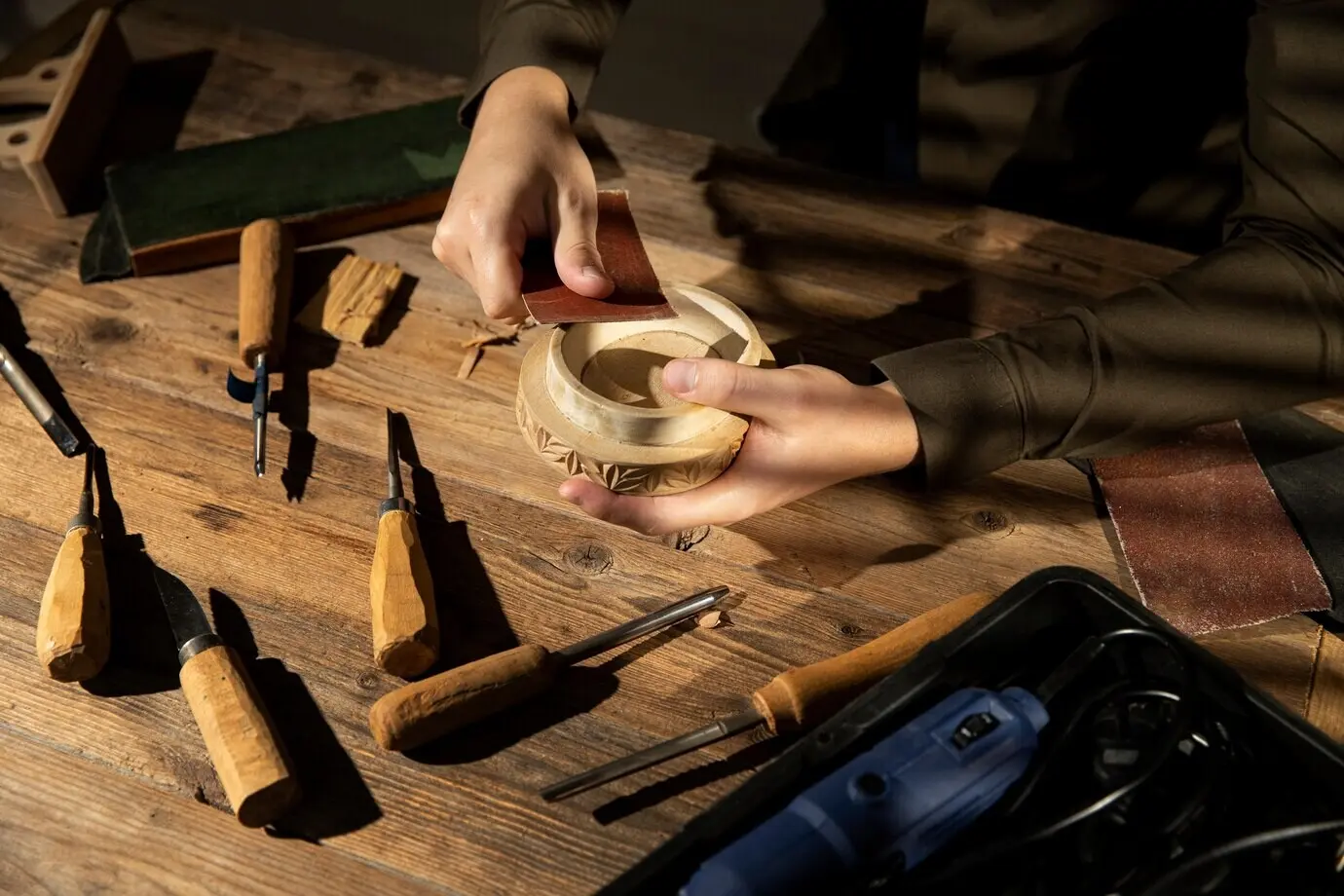
Consistent routines beat heroic rescues. Simple habits—checking a hygrometer, rotating pieces away from vents, wiping water rings immediately—do more than expensive treatments applied after damage appears. We’ll share schedules, printable logs, and sensor suggestions to maintain a steady environment that keeps furniture comfortable through holidays, travel, and unpredictable weather spikes.

When Things Go Wrong: Rescue and Repair

Even with care, life happens: a plant overflows, a monsoon lingers, or a heater runs unchecked. Quick, gentle interventions can halt damage before it spreads. We’ll walk through dry-down methods, warpage correction, mold response, and when to call a professional for structural or antique conservation work.

Flattening a Cupped Tabletop

First, stabilize humidity near target range for days, not hours. Weight and gently clamp across cauls with protective pads, encouraging slow correction while avoiding forced, brittle breaks. Add underside sealing if unfinished, and address airflow sources so the same gradient doesn’t reappear. Patience and measured pressure beat brute force every time.

Mold: Safe Responses on Finished Wood

Act fast with airflow, dehumidification, and light. Wipe with a wood-safe cleaner or a 70% isopropyl alcohol solution, testing inconspicuously. Avoid bleach on delicate finishes. Once cleaned, maintain steady humidity and sunlight exposure patterns. Share product names you trust so others can respond swiftly without clouding varnish or dulling sheen.

Water Rings and White Blush

Trapped moisture often clouds lacquer or shellac, leaving pale rings. Sometimes a careful pass with a warm, barely-damp cloth, followed by immediate drying, helps. Specialty polishes or a gentle hairdryer on low can coax vapor outward. Document settings, timing, and outcomes so the community learns from your careful experiments.

Moving Between Climates: Shipping, Relocating, and Traveling

Transitions stress wood more than daily life. Whether you’re moving cross-country, shipping a sideboard, or staging a rental, planned acclimation is crucial. We’ll outline packing layers, slow adjustment schedules, and post-arrival checks so furniture settles confidently despite airport delays, mountain passes, or months inside a sealed storage container.

Acclimation Timelines That Respect Grain

Before uncrating, let packages rest in the destination space for twenty-four to forty-eight hours, then loosen wrapping in stages over several days. Track humidity alongside weight and feel. Postpone tightening fasteners until movement stabilizes, and invite readers to share relocation checklists that reduce impatience and prevent panicked, damaging adjustments.

Packing Layers: Breathable, Cushioned, Thoughtful

Start with breathable wraps, add corner protection, and isolate hardware in labeled pouches. Avoid sealed plastic right against finishes during humidity swings. Use desiccant packets in crates but monitor levels to prevent overdrying. Post photos of your packing setup so others can borrow clever ideas and improve safe transport.

Post-Arrival Health Check

After placement, check door alignment, drawer glide feel, and any unexpected finish haze. Confirm the room’s humidity and temperature have stabilized. Snap a baseline set of photos and start a weekly log. Comment with what changed after a week so we build a library of reliable acclimation timelines together.
Vikepipenexu
Privacy Overview

This website uses cookies so that we can provide you with the best user experience possible. Cookie information is stored in your browser and performs functions such as recognising you when you return to our website and helping our team to understand which sections of the website you find most interesting and useful.