Make Furniture Last: Repair, Renew, and Respect the Planet

Today we explore extending furniture lifespan through eco-friendly repair techniques, blending practical fixes with sustainable materials, low-impact finishes, and thoughtful maintenance. Expect clear steps, honest stories, and tools to help you save cherished pieces while reducing waste and household emissions. Join in, ask questions, and share progress so this craft grows stronger, kinder, and more resilient together.

Begin with a Thoughtful Assessment

Reading Wood, Joints, and Movement
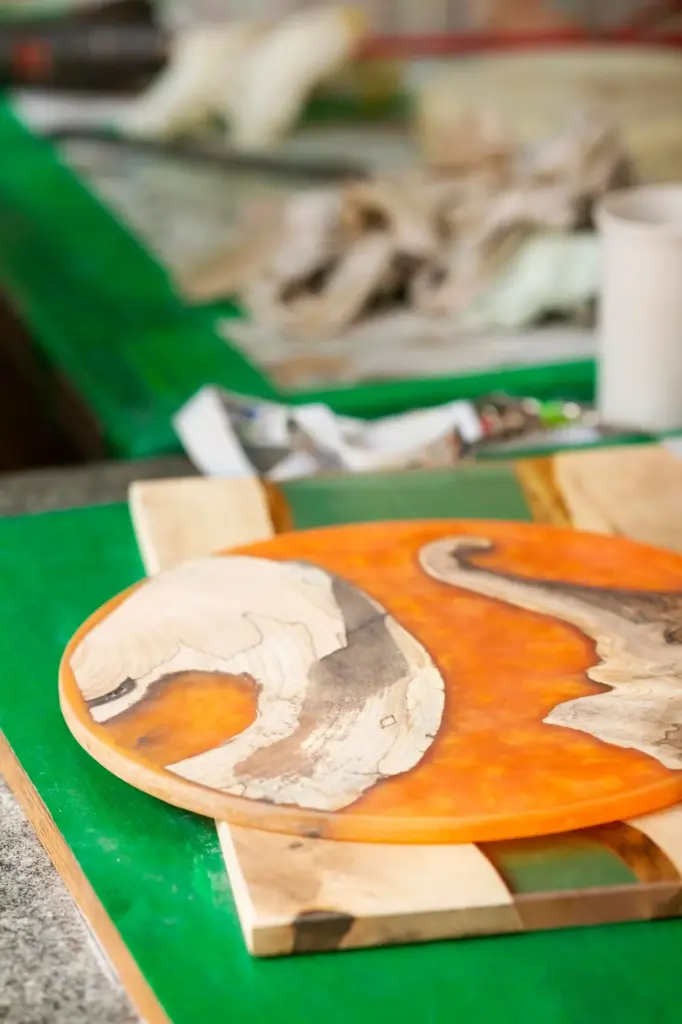
Watch how legs rack when gently twisted, listen for creaks signaling loose joinery, and follow grain lines that telegraph hidden splits. Recognize seasonal movement and leave respectful room for expansion. Check for ring-porous species like oak that hold glue differently than maple. Document everything with notes or a quick video, then invite feedback; a second set of eyes can save a heroic mistake.

Repair, Refinish, or Repurpose?

Triage responsibly: if structure is sound, minimal intervention often preserves patina and memory. When finish failure hides beautiful wood, plan a gentle refinish with reversible steps. If damage is extensive, consider repurposing panels into shelves or benches. Celebrate choices that reduce disposal, honor craftsmanship, and keep stories alive. Comment with your decision path, and let others learn from your careful judgment.

Toolkit for Low-Impact Fixes

Favor hand tools that cut quietly and cleanly: a sharp card scraper, cabinet scraper, block plane, and pull saw. Choose clamps you will reuse for decades, dust extraction that protects lungs, and PPE that actually fits comfortably. Maintain tools to avoid wasteful replacements. Share your lightweight kit list in the comments; beginners benefit from honest, field-tested essentials rather than glossy, seldom-used gadgets.

Materials That Respect Health and Habitat

Selecting materials is an ethical act. Prioritize low-VOC finishes, plant-based oils, waterborne topcoats, and glues that balance strength with reversibility. Seek FSC-certified or reclaimed wood, and salvaged hardware that invites another lifetime of use. Aim for materials that repair beautifully, age gracefully, and protect indoor air. Post your trusted sources, regional suppliers, or swaps, helping neighbors keep sustainable choices affordable and nearby.

Structural Repairs That Truly Hold

Durable reinforcement outlives quick fixes. Strengthen loose mortise-and-tenon joints with hide glue and, if needed, discreet pegs. Replace weak dowels with properly fitted tenons or splines. Use Dutchman patches for cracks, conserving wood and character. Avoid excessive epoxy unless nothing else works. Share stress tests and time-lapse results; proving longevity encourages confident, eco-minded repairs that resist wobbles, squeaks, and premature replacement.

Stabilizing Wobbly Chairs and Tables

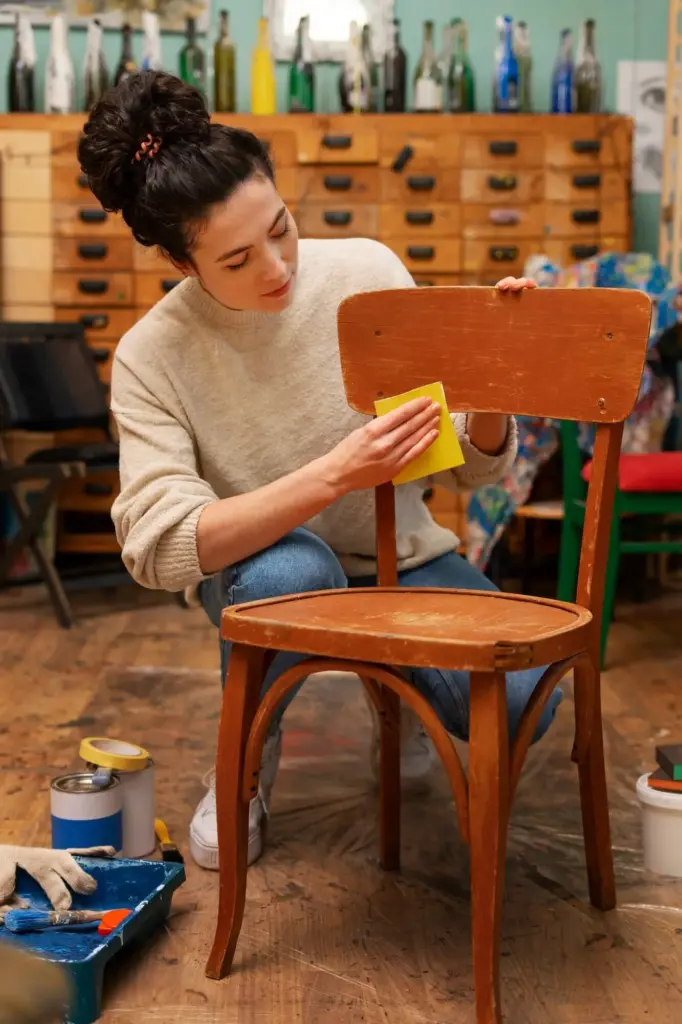
Disassemble gently, clean joint surfaces, and re-glue with proper clamping pressure and alignment. Replace ill-fitting dowels with custom tenons sized to wood movement. Add drawbore pegs where appropriate, then trim flush. Check diagonals for square and test for rack. Record your clamp layout and timing, then share photos; the visual roadmap helps others duplicate safe, reversible stabilization without overbuilding or unnecessary materials.

Fixing Surfaces: Veneer, Splits, and Missing Bits

Float in a Dutchman patch with matched grain direction, or inlay a carefully cut veneer piece after stabilizing the substrate. For splits, key in a spline and glue with restraint. Level repairs using a card scraper, then blend finish thoughtfully. Post macro shots of grain matching; showing your process demystifies careful surface restoration and makes readers brave enough to save thin, delicate veneers.

Upholstery the Natural Way

Refresh cushions using natural latex, coconut coir, or wool batting supported by jute webbing. Choose fabric woven from linen, cotton, hemp, or recycled fibers with tight durability ratings. Tackle squeaks by padding contact points. Remove staples judiciously to preserve frames. Share fabric swatches, wear tests, and care routines; collective experience helps others select sustainable textiles that stand up to family life gracefully.

Cleaning, Stripping, and Finishing Without Harshness

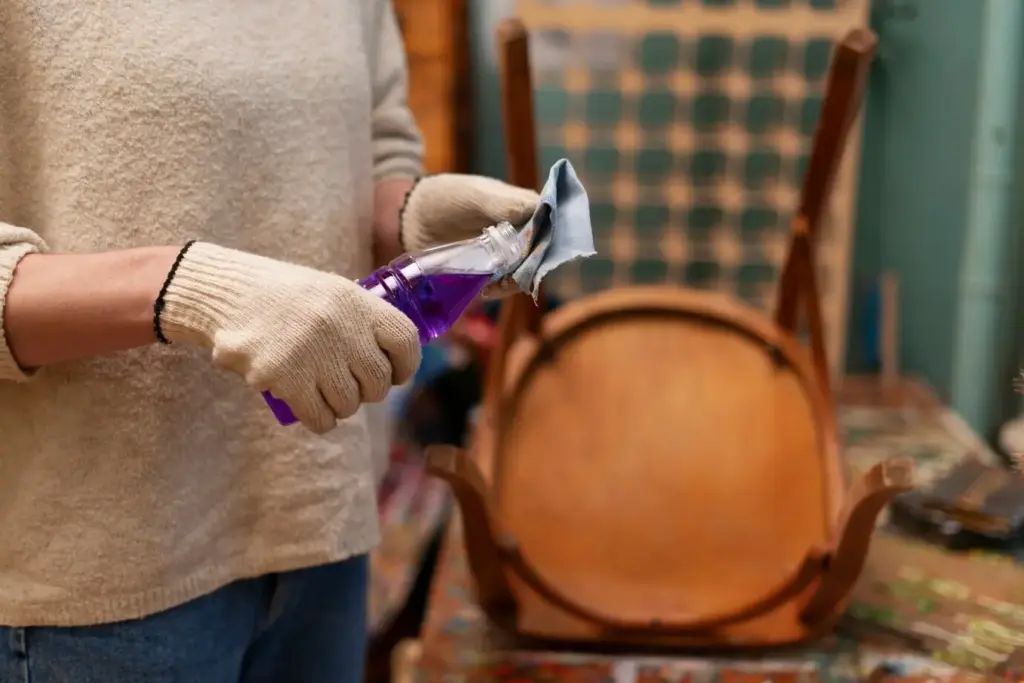
Start with gentlest methods: clean before stripping, and remove finish only when necessary. Mechanical scraping, citrus-based gels, and careful heat at low settings can avoid aggressive solvents. Ventilate thoroughly and protect yourself. Layer repairable finishes and document your schedule. Invite readers to compare approaches; collective experiments reveal safer, clearer steps that honor both your health and the original maker’s intent.

Preventive Care That Extends Years

Longevity depends on habits. Control humidity, shield from harsh sunlight, use coasters and felt pads, and rotate cushions to even wear. Schedule gentle cleanings and occasional wax refreshes. Teach household members mindful use. Document your routine and results; examples inspire consistency, protecting repairs and keeping pieces strong enough to pass forward with pride rather than heading to the curb prematurely.

Creative Renewal and Community

Treat repairs as opportunities for reinvention. Visible mends can become design accents, modular upgrades simplify future fixes, and upcycling turns broken fragments into companions for new rooms. Join repair cafés, swap materials, and share progress shots. Invite subscriptions and comments so we can celebrate saves, troubleshoot together, and build local networks that keep furniture useful, beautiful, and out of landfills longer.
Vikepipenexu
Privacy Overview

This website uses cookies so that we can provide you with the best user experience possible. Cookie information is stored in your browser and performs functions such as recognising you when you return to our website and helping our team to understand which sections of the website you find most interesting and useful.